The Definitive Guide
Hydroponics
in Lebanon
Everything you need to know about hydroponic farming in Lebanon: how it works, why it matters for food security, what gets grown, and how to source premium hydroponic produce locally.
On this page
What you'll find in this guide
01 / The Basics
What is hydroponic farming?
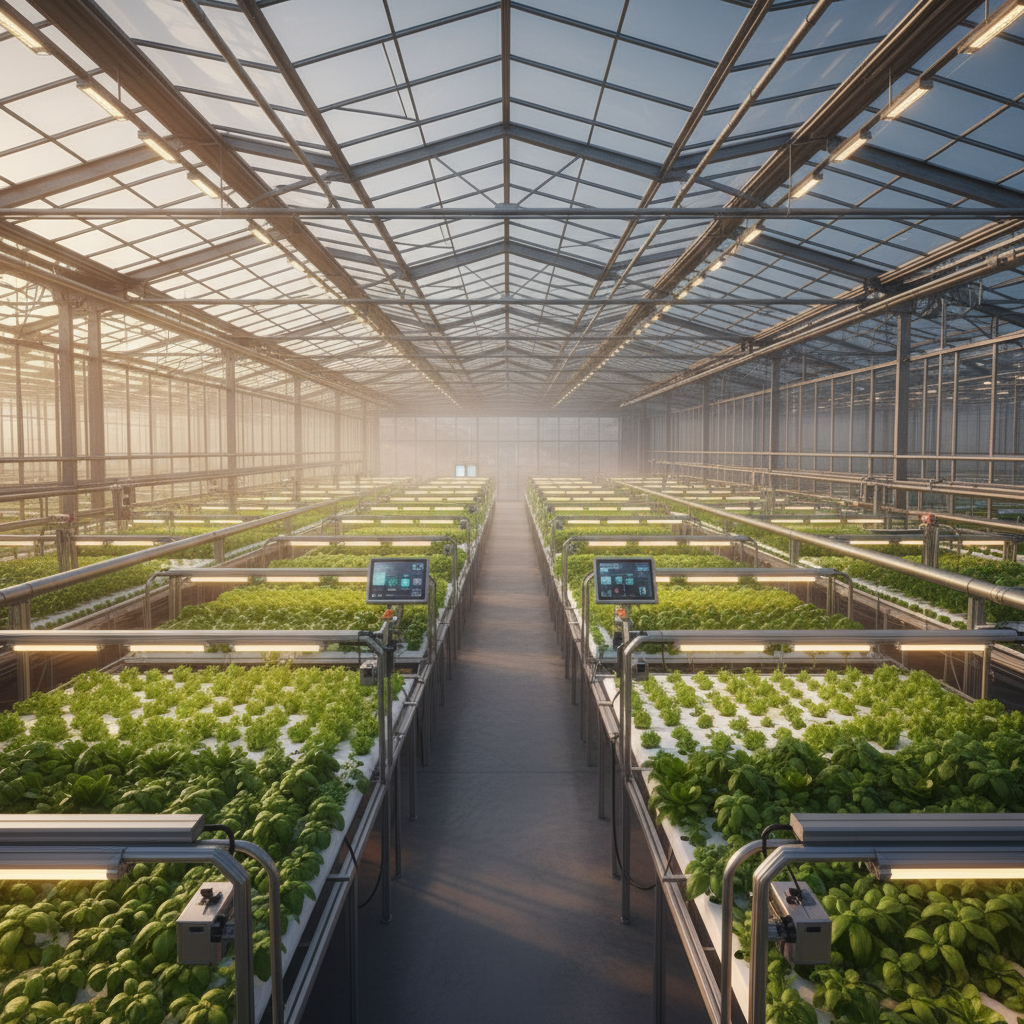
Hydroponic farming is the practice of growing plants without soil, using water enriched with all the nutrients plants need. Plants sit in inert media (rockwool, coco coir, perlite, or simple net pots) and their roots are bathed in or fed by a precisely calibrated nutrient solution.
The result: plants grow 30 to 50 percent faster than they would in soil, use 80 to 95 percent less water, and require zero pesticides because the controlled environment eliminates most pests and diseases.
For a deeper introduction to hydroponic farming, read our complete guide: What is Hydroponic Farming? A Complete Guide for Lebanon.
02 / The Lebanese Context
Why hydroponics matters for Lebanon
Lebanon faces an agricultural perfect storm: chronic import dependency, water scarcity, limited arable land, electricity instability, and currency volatility that makes imported food increasingly expensive. Hydroponics addresses every one of these constraints.
80%+ import dependency
Lebanon imports the majority of its fresh produce. Local hydroponic production reduces foreign currency outflow and insulates supply from port and customs disruptions.
Chronic water scarcity
Aquifers are over-pumped, surface water is polluted, and seasonal rainfall is unreliable. Hydroponics uses a fraction of the water traditional farming requires.
Limited arable land
Lebanon's terrain restricts viable farmland. Hydroponic greenhouses produce 5 to 10 times more food per square meter and can operate on land unsuitable for traditional farming.
Year-round demand, seasonal supply
Restaurants and supermarkets need consistent supply 365 days a year. Field farms have seasonal gaps. Climate-controlled hydroponic greenhouses don't.
Currency volatility
Imported produce prices swing wildly with the Lebanese pound. Local production prices stabilize procurement costs for restaurants, hotels, and retail chains.
03 / Technology
Hydroponic systems explained
Six main hydroponic system types are used commercially. The right choice depends on the crop, the scale, the budget, and the local climate.
NFT (Nutrient Film Technique)
Used by GrowLebBest for: Leafy greens, herbs, strawberries
A thin film of nutrient-rich water flows continuously through tilted channels. Roots are partly submerged, partly exposed to air. Modular, water-efficient, the industry standard for leafy greens.
DWC (Deep Water Culture)
Best for: Lettuce, leafy greens, research
Plants float on rafts above oxygenated nutrient tanks. Reliable but harder to scale than NFT.
Drip systems
Best for: Tomatoes, peppers, cucumbers
Individual emitters deliver nutrient solution to each plant. Most common system in commercial Mediterranean greenhouses.
Ebb and flow (flood and drain)
Best for: Smaller commercial, hobbyist
Growing trays periodically flood with solution then drain. Versatile but less efficient than continuous-flow systems.
Aeroponics
Best for: Vertical farms, research
Roots dangle in air and are misted with solution. The most water-efficient method but technically demanding and capital-intensive.
Wick systems
Best for: Personal use only
Passive capillary action delivers solution to plants. Simple but slow; not commercially viable.
04 / Production
What gets grown hydroponically
Hydroponics works best for plants with fast growth cycles, high water content, and shallow root systems. For Lebanon, the highest-value categories are leafy greens and fresh herbs, where year-round consistent supply commands a premium.
Leafy Greens
Lollo Verde, Lollo Rosso, Romaine, Oakleaf, Sucrine, Butterhead
Fresh Herbs
Basil, mint, parsley, coriander, oregano, thyme/zaatar, rosemary, dill, chives
Microgreens
Radish, pea shoots, mixed blends
Specialty
Arugula, spinach, baby spinach, chervil, tarragon, lemongrass
See the full catalog of what GrowLeb grows on our products page.
05 / Impact
Water, energy, and sustainability
Hydroponics is dramatically more efficient than traditional farming on water and land. Energy is the trade-off: climate-controlled greenhouses consume electricity for lighting, climate control, and pumps. The net environmental balance, especially when paired with solar, is overwhelmingly positive.
Read more about GrowLeb's approach on our sustainability page.
06 / Business Case
The economics of hydroponics in Lebanon
Hydroponic farms have higher upfront capital costs than traditional farms (greenhouse infrastructure, climate control, sensors), but they have meaningfully better unit economics on a per-square-meter and per-kilogram basis once operational.
For Lebanon specifically, the economic case is strengthened by import substitution. Every kilogram of locally grown lettuce displaces an imported kilogram, retaining foreign currency, eliminating customs and shipping costs, and reducing supply chain risk.
Higher yields per area
Vertical stacking and continuous production cycles mean a hydroponic operation produces 5 to 10 times more per square meter than open-field farming.
Predictable margins
Controlled environments mean predictable yields, predictable harvest schedules, and predictable pricing for B2B contracts.
Premium pricing
Restaurants and retailers pay a premium for consistent quality, extended shelf life, and pesticide-free produce.
Lower supply risk
Weather, drought, and pest outbreaks do not disrupt indoor controlled-environment production.
07 / For Buyers
How to source hydroponic produce locally
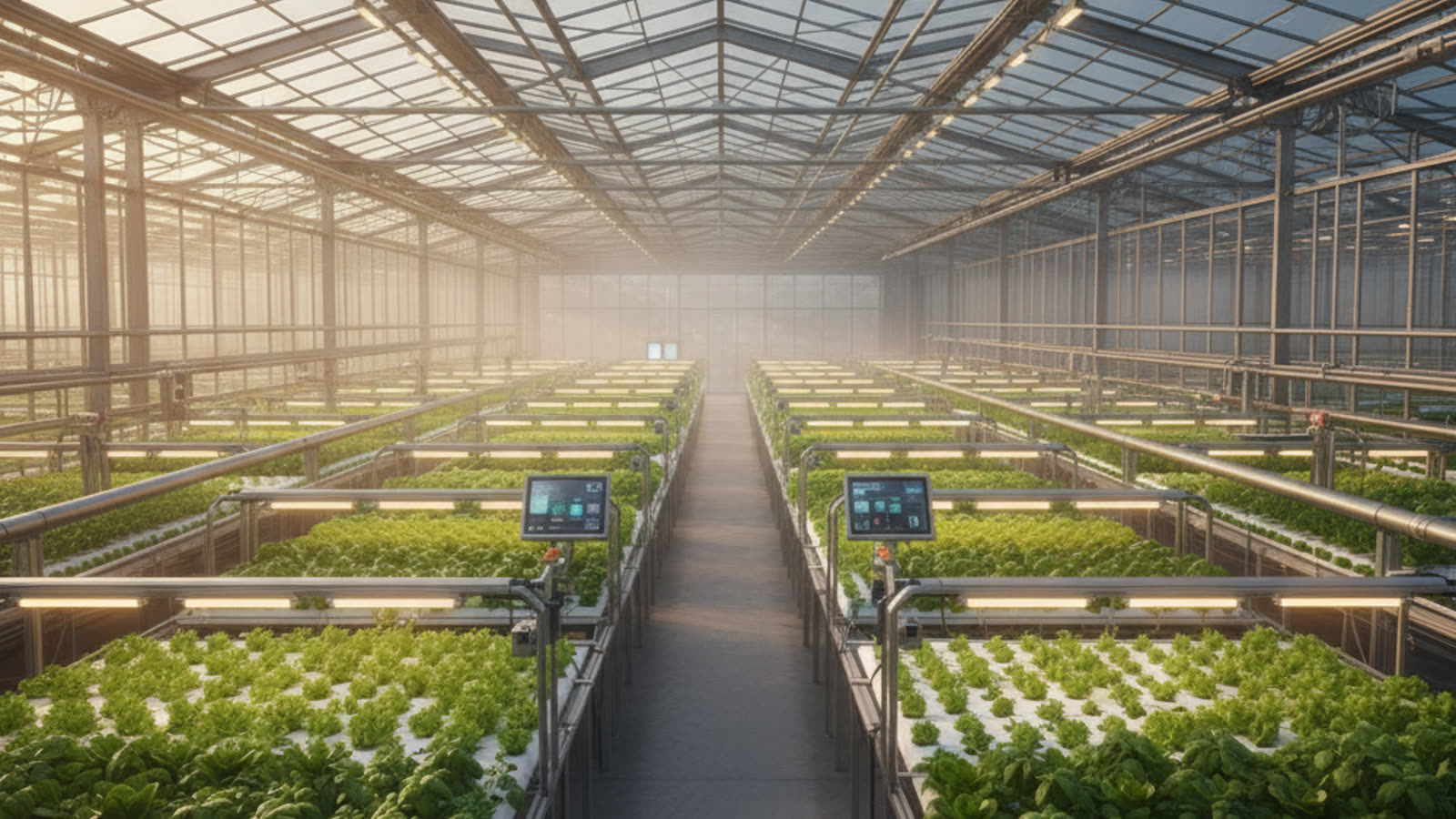
If you operate a restaurant, hotel, catering company, supermarket, or distribution business in Lebanon, sourcing premium hydroponic produce locally is now possible year-round. Look for these qualities in a supplier:
08 / FAQ
Frequently asked questions
Is hydroponics viable in Lebanon?
+
Where can I buy hydroponic produce in Lebanon?
+
How much water does hydroponic farming save vs traditional farming?
+
Are hydroponic vegetables organic?
+
What is the best hydroponic system for commercial production?
+
Ready to source hydroponic produce
in Lebanon?
GrowLeb supplies premium leafy greens, herbs, and microgreens to restaurants, retailers, and distributors across Lebanon. 100,000+ plants per month, year-round.